
2025-2026 Recommended Heat Protocols and Procedures for Outdoor UIL Athletic and Marching Band Activities
For the 2025–2026 school year, UIL has doubled down on Wet Bulb Globe Temperature (WBGT) as the primary way to monitor environmental conditions during outdoor sports and marching band. WBGT combines temperature, humidity, wind, and solar radiation into a single safety number, which is far more accurate for heat risk than heat index alone. EnviroLive’s WBGT Heat Stress Monitoring series provides an accurate and care-free solution to coaches and personnel for heat stress tracking and alerts.
Key new UIL heat rules (2025–26)



How the WBGT-1000 remote monitoring helps schools follow UIL rules
Turning UIL’s WBGT Table into Clear Actions
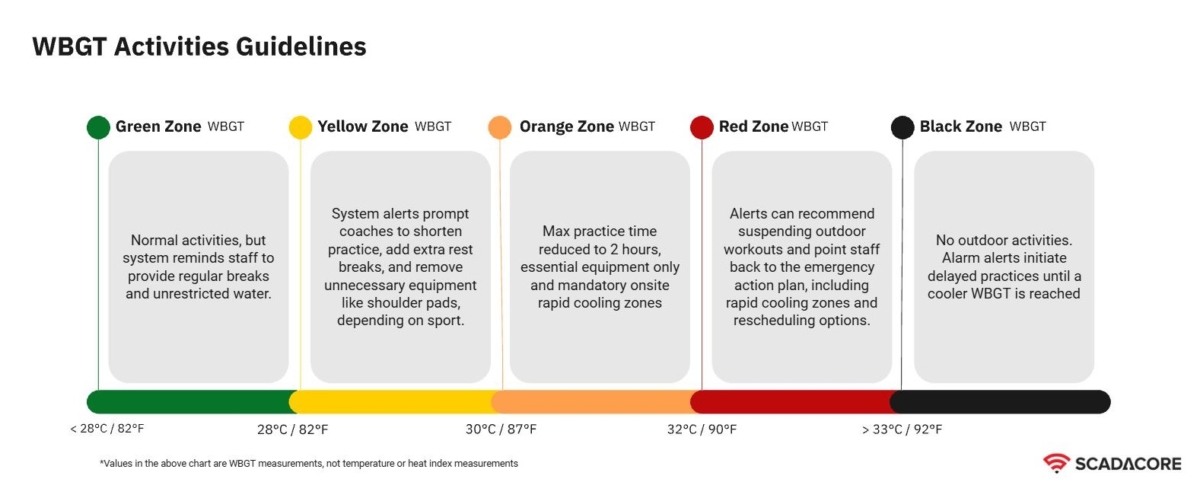
Resources like the WBGT Forecasting Resource can be used by seaching location.
WBGT-1000 Helps Schools Follow UIL Rules
Remote heat monitoring gives coaches and supervisors better visibility into practice conditions. With WBGT readings, you can document heat exposure, respond faster, and support a more consistent safety program across meetings and practices. That makes it easier to protect your teams and show that your institution is taking heat stress seriously.
UIL Expectaton
What a WBGT Monitoring System Does
Consistent
By monitoring the thermal footprint of the production floor and external areas, the device ensures that every shift operates under the best environmental conditions.
Reliable
Captures a full profile of the production environment, ensuring warnings of relative humidity and radiant heat stay within strict parameters.
Accurate
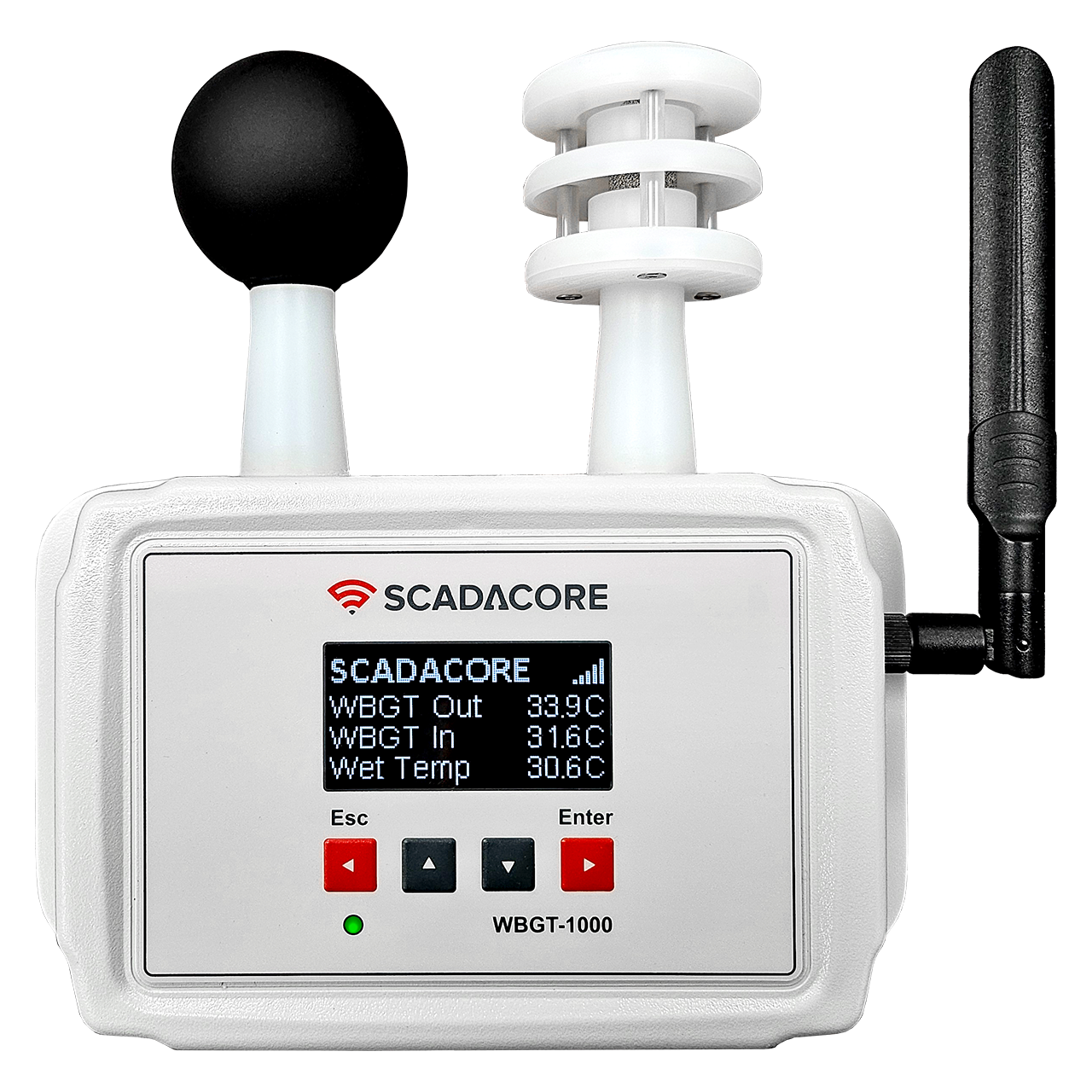
The WBGT-1000 Series provides detailed temperature readings, including humidity and radiant heat from machinery, preventing ambient interference and possible thermal degradation.
Through real-time telemetry, data is streamed directly to the dashboard, allowing for instant oversight of the entire facility from the central office, or any personal device.
The transition to data-driven heat safety marks a shift in how we manage the modern industrial environment. With EnviroLive’s WBGT-1000 Series‘s ability to monitor every zone of your facility from any device, you gain the transparency needed to mitigate risks before they impact your bottom line. Protect your team, preserve your assets, and maintain your competitive edge with a smarter approach to environmental awareness.