
Heat stress is a serious safety issue in industrial environments, especially where workers are exposed to high temperatures, heavy workloads, or PPE that traps heat. OSHA requires employers to protect workers from recognized heat hazards under the General Duty Clause, Section 5(a)(1) of the Occupational Safety and Health Act. EnviroLive’s WBGT-1000 Series assists many sites to align with OSHA’s recommended WBGT exposure limits for light, moderate, and heavy work. It also helps organizations meet Cal/OSHA Title 8 CCR §§ 3395 and 3396 for indoor and outdoor heat illness prevention.
A strong heat-stress program should include hazard assessment, training, water, rest breaks, and clear emergency response steps. OSHA also points to the importance of recognizing heat-related symptoms early and using controls such as rest, hydration, and other protective measures. In many facilities, EnviroLive’s Cloud-Ready Remote Monitoring can help by tracking conditions in real time and alerting supervisors before the work environment becomes unsafe.
OSHA Rules to Know
The most relevant OSHA references for heat-stress planning include OSH Act Section 5(a)(1), 29 CFR 1904.39 for serious injury and fatality reporting, 29 CFR 1910.132 for personal protective equipment, and 29 CFR 1910.146 for permit-required confined spaces. These rules matter because heat risk often rises when workers are wearing protective gear, working long shifts, or entering enclosed areas.
For industrial teams, compliance is not just about paperwork. It is about identifying hazards early, monitoring conditions, and making sure workers can cool down, hydrate, and get help quickly when needed.
Why Remote Monitoring Helps
Remote heat monitoring gives safety teams and supervisors better visibility into workplace conditions. With WBGT readings, you can document heat exposure, respond faster, and support a more consistent safety program across shifts and work areas.
That makes it easier to protect workers and show that your facility is taking heat stress seriously. In high-risk environments, that combination of monitoring, training, and response is what helps turn OSHA guidance into daily practice.
How WBGT Monitoring Complies:
A remote WBGT monitoring unit can help organizations meet or support multiple standards simultaneously.
This multi-standard approach lets you design a single monitoring system that supports OSHA, state rules, industry best practices, and military-style frameworks without requiring separate tools for each.
Heat-Stress Standards and Tools Beyond OSHA
While federal OSHA sets the baseline requirement for workplace safety through the General Duty Clause (Section 5(a)(1)), many organizations also adopt additional standards and tools to manage heat risk more rigorously. These include Cal/OSHA rules, ACGIH TLVs, military flag conditions, industry research, and heat-exposure limit charts.
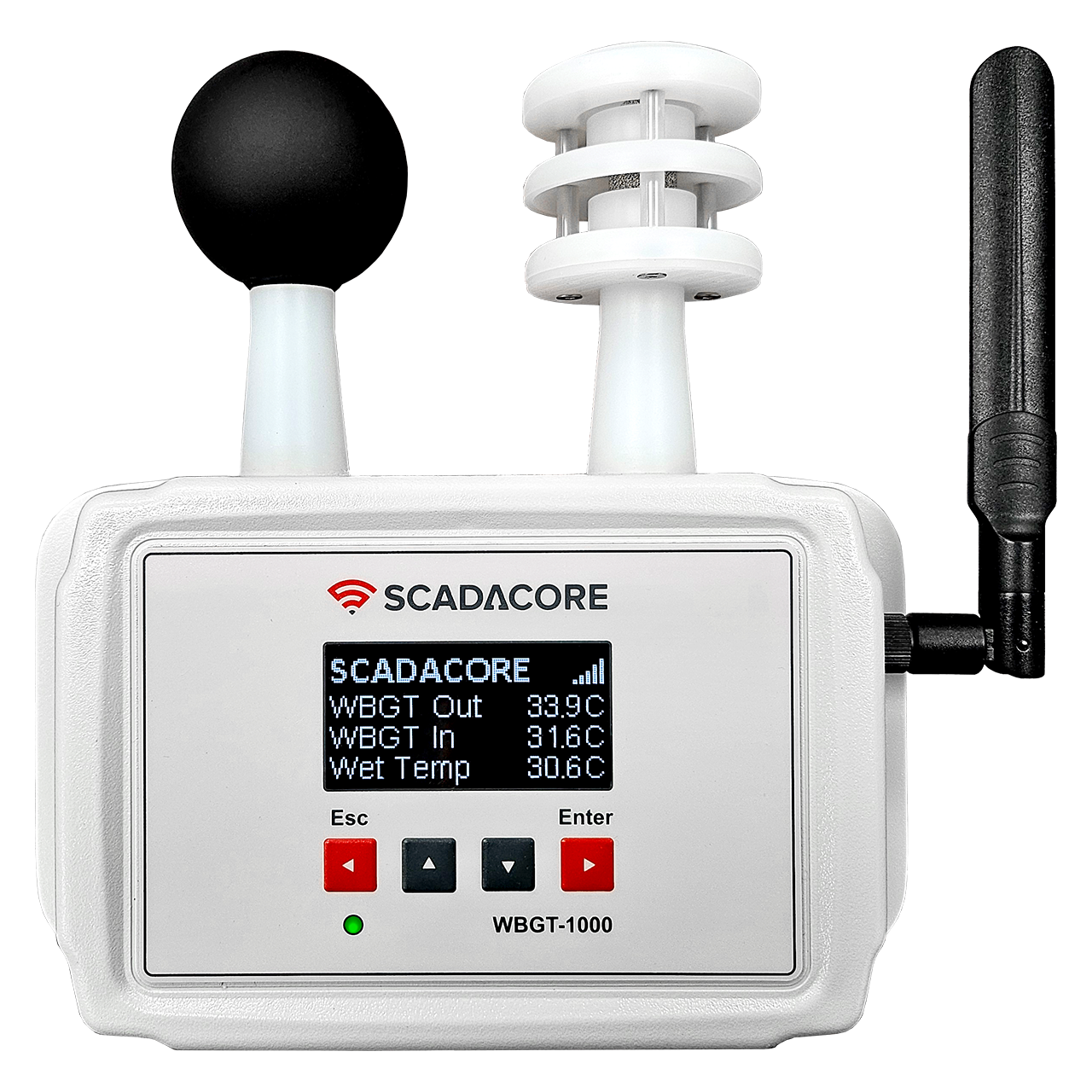
Consistent
By monitoring the thermal footprint of the production floor and external areas, the device ensures that every shift operates under the best environmental conditions.
Reliable
Captures a full profile of the production environment, ensuring warnings of relative humidity and radiant heat stay within strict parameters.
Accurate
The WBGT-1000 Series provides detailed temperature readings, including humidity and radiant heat from machinery, preventing ambient interference and possible thermal degradation.
Through real-time telemetry, data is streamed directly to the dashboard, allowing for instant oversight of the entire facility from the central office, or any personal device.
The transition to data-driven heat safety marks a shift in how we manage the modern industrial environment. With EnviroLive’s WBGT-1000 Series‘s ability to monitor every zone of your facility from any device, you gain the transparency needed to mitigate risks before they impact your bottom line. Protect your team, preserve your assets, and maintain your competitive edge with a smarter approach to environmental awareness.